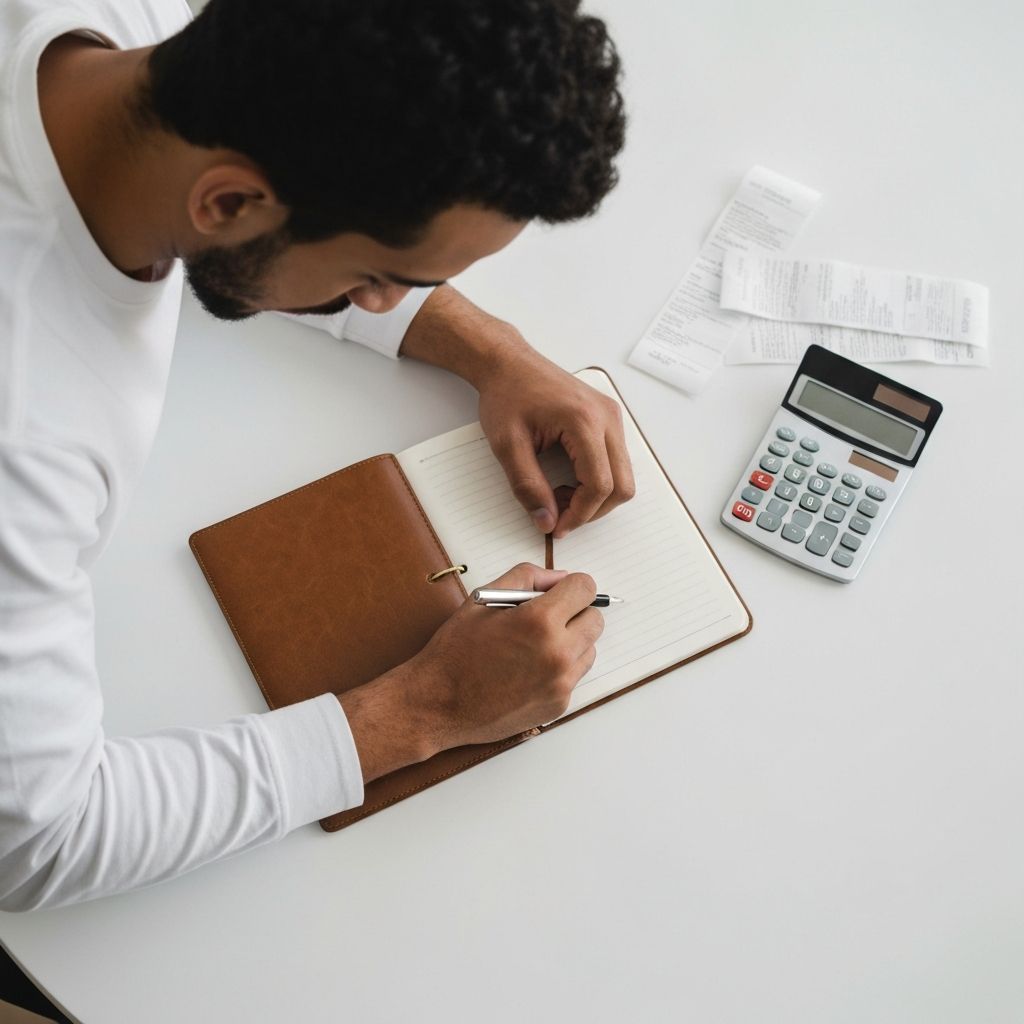
Understanding how people track their daily expenses is a foundational aspect of financial awareness. This article explores common approaches to expense control and how individuals typically organize their financial records.
What Is Expense Control
Expense control refers to the practice of monitoring and recording personal spending. Many people use various methods to keep track of where their money goes each day, week, or month. This practice helps develop awareness of spending patterns and habits.
Common Tracking Methods
People use different tools and approaches for tracking expenses. Some prefer traditional methods like writing expenses in a notebook or keeping receipts organized in folders. Others use digital tools such as spreadsheets or mobile applications designed for expense recording.
The choice of method often depends on personal preference, lifestyle, and the level of detail someone wants to maintain. There is no single correct approach, as different methods work for different people.
Why People Track Expenses
Individuals track their expenses for various reasons. Some want to understand where their money goes each month. Others are curious about their spending habits in specific categories like groceries, transportation, or entertainment.
Tracking expenses can also help people become more mindful of their purchasing decisions. When someone records their spending regularly, they tend to develop greater awareness of their financial behaviors.
Categories of Expenses
Most people organize their expenses into categories for easier tracking. Common categories include housing costs, utilities, food and groceries, transportation, healthcare, personal care, entertainment, and miscellaneous expenses.
The specific categories someone uses depend on their individual circumstances and what makes sense for their lifestyle. Some people prefer broad categories, while others break expenses into more detailed subcategories.
Frequency of Tracking
The frequency of expense tracking varies among individuals. Some people record expenses daily, while others do so weekly or monthly. Daily tracking provides more immediate awareness, while less frequent tracking may be easier to maintain as a long-term habit.
Finding a sustainable frequency is important for maintaining the practice over time. What works depends on individual schedules, preferences, and goals for financial awareness.
Recording Details
When tracking expenses, people typically record basic information such as the date of purchase, the amount spent, the category of expense, and sometimes a brief description. Some individuals also note the payment method used.
The level of detail recorded is a personal choice. More detailed records provide deeper insights into spending patterns, but they also require more time and effort to maintain.
Reviewing Expense Records
Many people who track expenses also review their records periodically. This might involve looking at spending totals by category, identifying patterns, or simply observing how expenses fluctuate over time.
Regular review helps maintain awareness of financial habits and can reveal interesting patterns in how money is spent throughout different periods.
Developing Financial Awareness
Expense tracking is fundamentally about developing financial awareness. When people consistently record their spending, they often become more conscious of their financial decisions and habits.
This awareness doesn't necessarily lead to specific outcomes, but it does provide information that individuals can use to better understand their relationship with money.
Educational Notice
This article provides educational information about expense tracking practices. It does not constitute financial advice or recommendations. Individual financial situations vary, and readers should make their own informed decisions.